
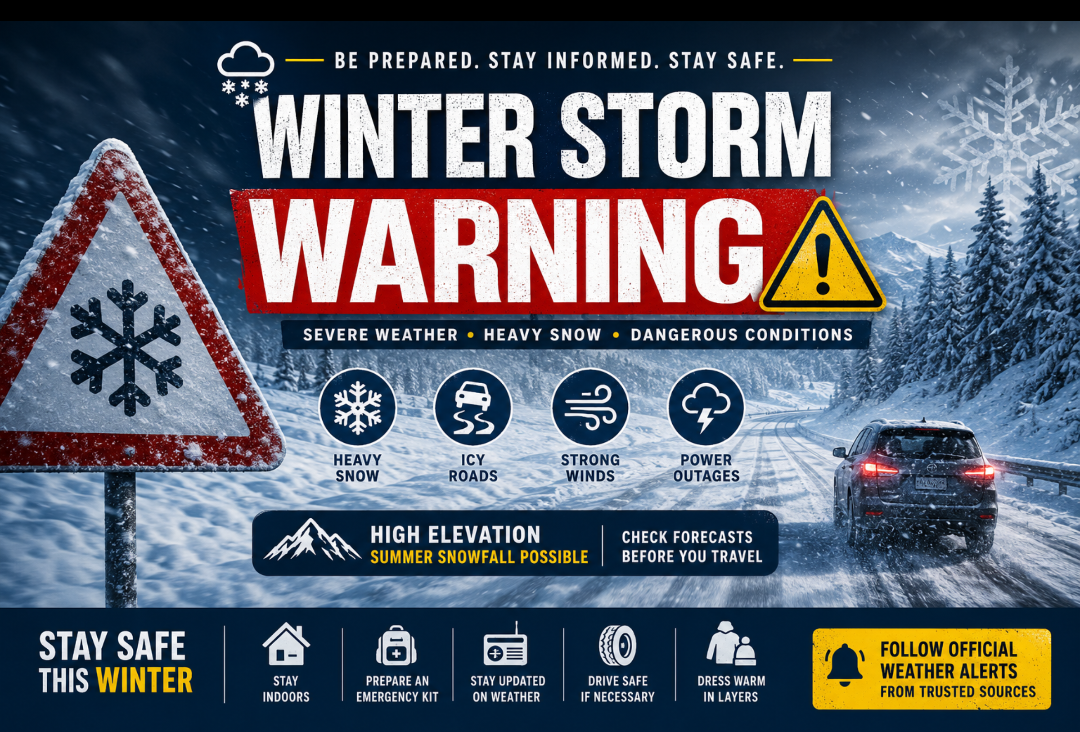
Winter Storm Warning: Everything You Need to Know
Winter weather can change rapidly, turning an ordinary day into a dangerous situation within hours. Every year, snowstorms, freezing rain, strong winds, and icy roads affect millions of people across North America and other cold regions. That’s why weather agencies issue alerts like Winter Storm Warning, Heavy Snow Warning, and Winter Storm Watch to help people prepare before severe weather arrives.
If you’ve ever wondered what these warnings actually mean or how they can affect your daily life, this guide covers everything you need to know.
Whether you’re planning to travel, heading to work, or simply preparing your home for winter, understanding these weather alerts can help protect you, your family, and your property.
What Is a Winter Storm?
A winter storm is a weather event that brings one or more forms of hazardous winter precipitation. These storms may include:
- Heavy snowfall
- Freezing rain
- Sleet
- Ice accumulation
- Strong winds
- Blowing snow
- Extremely cold temperatures
- Poor visibility
Unlike a typical snowfall, winter storms often create dangerous road conditions, power outages, transportation delays, school closures, and disruptions to daily life.
Some of the strongest winter storms can impact several states or provinces at the same time, lasting anywhere from several hours to several days.
What Is a Winter Storm Warning?
A Winter Storm Warning is an official weather alert issued when severe winter weather is expected or already occurring.
This warning indicates that hazardous conditions are likely to make travel dangerous and may significantly affect normal activities.
A Winter Storm Warning may be issued when meteorologists expect:
- Significant snowfall
- Dangerous ice accumulation
- Blizzard-like conditions
- Strong winds combined with snow
- Reduced visibility
- Hazardous travel conditions
When a Winter Storm Warning is issued, people are encouraged to stay informed, avoid unnecessary travel, and prepare emergency supplies.
Why Are Winter Storm Warnings Important?
Winter storms can become life-threatening much faster than many people realize.
Heavy snowfall can block roads, while freezing rain creates nearly invisible layers of ice that make driving extremely dangerous. Strong winds may knock down trees and power lines, leading to widespread power outages.
Warnings give people enough time to:
- Prepare emergency supplies
- Protect their homes
- Change travel plans
- Stay indoors when necessary
- Follow local emergency instructions
Ignoring these warnings can increase the risk of accidents, injuries, and exposure to dangerously cold temperatures.
Common Hazards During a Winter Storm
A severe winter storm can produce multiple hazards at the same time.
Heavy Snowfall
Large amounts of snow can accumulate rapidly, reducing visibility and making roads nearly impossible to travel.
Ice Accumulation
Freezing rain coats roads, sidewalks, trees, and power lines with ice, increasing the risk of falls and infrastructure damage.
Strong Winds
Powerful winds create blowing snow that reduces visibility and forms dangerous snowdrifts.
Power Outages
Ice-covered power lines and falling trees can interrupt electricity for hours or even days.
Extreme Cold
Cold temperatures increase the risk of frostbite and hypothermia, especially for people spending extended periods outdoors.
How Meteorologists Predict Winter Storms
Modern weather forecasting uses advanced technology to monitor developing winter storms.
Meteorologists analyze:
- Satellite imagery
- Weather radar
- Computer forecast models
- Air pressure systems
- Temperature patterns
- Moisture levels
- Wind speed and direction
These tools help weather agencies predict when a storm may form, how intense it could become, and which areas are most likely to be affected.
Because weather systems constantly change, forecasts are updated frequently as new information becomes available.
Who Is Most at Risk?
Although winter storms affect everyone, some groups face greater risks.
These include:
- Older adults
- Young children
- People with chronic medical conditions
- Outdoor workers
- Drivers
- Travelers
- Individuals living in rural or mountainous regions
- People without reliable heating
Preparing early is especially important for these groups.
Signs That a Winter Storm Is Approaching
Several weather changes may indicate that a winter storm is developing.
Common signs include:
- Rapid temperature drops
- Thick cloud cover
- Increasing winds
- Snow beginning to fall steadily
- Freezing rain
- Weather alerts from official forecasting agencies
Paying attention to forecasts allows families and businesses to prepare before conditions become dangerous.
Conclusion of Part 1
A Winter Storm Warning is more than just a weather notification—it is an important safety alert that helps communities prepare for hazardous winter conditions. Understanding how winter storms develop, recognizing the risks they bring, and taking early precautions can significantly reduce the chances of accidents, injuries, and property damage.
In Part 2, we’ll cover the difference between a Winter Storm Warning, Winter Storm Watch, and Winter Weather Advisory, explain Heavy Snow Warnings, discuss High Elevation Summer Snowfall Warnings, and share expert travel safety guidance.
I cannot directly edit your document or remove elements from it. You will need to manually remove these lines.
To delete the horizontal lines, you can simply click on each line in your document and press the Backspace or Delete key on your keyboard.
Would you like me to help you summarize any part of this document or provide more information about winter storm warnings instead?
Winter Storm Warning Guide (Part 2)
Winter Storm Warning vs. Winter Storm Watch vs. Winter Weather Advisory
Many people confuse these weather alerts, but understanding the differences can help you respond appropriately.
What Is a Winter Storm Watch?
A Winter Storm Watch means that conditions are favorable for a significant winter storm to develop within the next 24 to 48 hours. While the storm is not yet certain, there is enough potential that you should begin preparing.
During a Winter Storm Watch, it’s wise to monitor weather updates, review emergency plans, stock essential supplies, and consider adjusting travel plans if necessary.
What Is a Winter Storm Warning?
A Winter Storm Warning is more serious. It means hazardous winter weather is expected soon or is already occurring. Forecasters have high confidence that dangerous conditions such as heavy snowfall, freezing rain, or a combination of snow and strong winds will impact the affected area.
When a warning is issued, avoid unnecessary travel, stay informed through trusted weather sources, and follow instructions from local authorities.
What Is a Winter Weather Advisory?
A Winter Weather Advisory is issued when winter weather may cause inconvenience or minor hazards but is generally less severe than a warning. Roads can still become slippery, and travel may be difficult, so caution is recommended.
Quick Comparison
Alert
Meaning
Recommended Action
Winter Storm Watch
Severe winter weather is possible
Prepare and monitor forecasts
Winter Storm Warning
Severe winter weather is expected or occurring
Take immediate precautions
Winter Weather Advisory
Less severe winter weather is expected
Use caution while traveling
What Is a Heavy Snow Warning?
A Heavy Snow Warning is issued when meteorologists expect snowfall significant enough to disrupt transportation, reduce visibility, and create hazardous conditions.
Heavy snowfall can vary depending on regional climate. Mountain communities often receive much more snow than lower elevations, so warning criteria differ by location.
Heavy snow may lead to:
- Snow-covered highways
- Flight delays and cancellations
- School and business closures
- Increased risk of vehicle accidents
- Roof damage from excessive snow weight
- Tree branches breaking under heavy accumulation
During periods of heavy snow, visibility can quickly fall to near zero, making travel extremely dangerous.
What Is a High Elevation Summer Snowfall Warning?
Although snow is usually associated with winter, it can also occur during summer in high mountain regions.
A High Elevation Summer Snowfall Warning is issued when unusually cold weather is expected to bring measurable snowfall to higher elevations, even during late spring or summer.
These warnings are common in mountainous areas where temperatures remain much cooler than surrounding lowlands.
Examples include:
- The Rocky Mountains
- Sierra Nevada
- Cascade Range
- High elevations of the Alps
- Andes Mountains
Even if nearby cities experience warm temperatures, mountain peaks may receive several inches of snow.
Why Summer Snow Can Be Dangerous
Summer snowfall often catches travelers off guard because many people don’t expect winter-like conditions during warmer months.
Potential hazards include:
- Slick mountain roads
- Reduced visibility
- Sudden temperature drops
- Difficult hiking conditions
- Camping emergencies
- Increased avalanche risk in some regions
Tourists visiting mountain destinations should always check the forecast before traveling, regardless of the season.
How Winter Storms Form
Winter storms develop when cold air meets warm, moist air. As the warm air rises above the colder air, moisture condenses into clouds and precipitation.
If temperatures remain below freezing, the precipitation falls as snow. If temperatures fluctuate around freezing, freezing rain or sleet may develop instead.
Several atmospheric factors influence storm intensity, including:
- Moisture availability
- Air pressure systems
- Jet stream position
- Wind patterns
- Ground temperature
Small changes in temperature can dramatically affect the type and amount of precipitation.
Types of Winter Storms
Not all winter storms are the same. Some primarily produce snow, while others create dangerous ice or strong winds.
Snowstorms
These storms produce significant snowfall that can quickly cover roads, homes, and infrastructure.
Ice Storms
Ice storms occur when freezing rain coats surfaces with ice, making roads, sidewalks, and power lines extremely hazardous.
Blizzards
Blizzards combine heavy snow with sustained strong winds, reducing visibility and creating whiteout conditions.
Lake-Effect Snow
Cold air moving across warmer lake water can produce intense snowfall downwind of large lakes. These events often create localized but extremely heavy snow bands.
How Winter Storms Affect Transportation
Transportation systems are among the first sectors impacted by severe winter weather.
Common disruptions include:
- Highway closures
- Reduced driving visibility
- Flight cancellations
- Train delays
- Public transit interruptions
- Shipping delays
Bridges and overpasses freeze more quickly than regular roads, making them especially dangerous during icy conditions.
Before traveling during winter weather, always check road conditions and weather forecasts, and allow extra time to reach your destination.
Winter Storm Warning Guide (Part 3)
How to Prepare Before a Winter Storm
Preparation is the most effective way to reduce the impact of severe winter weather. Once a Winter Storm Warning is issued, stores may become crowded, roads can deteriorate quickly, and power outages may occur with little notice.
A few simple steps taken in advance can make a significant difference.
Start by monitoring weather forecasts regularly. Charge mobile phones, laptops, and portable battery packs before the storm arrives. If your area is prone to outages, keep flashlights and extra batteries in an easily accessible place. It’s also a good idea to fill your vehicle’s fuel tank and withdraw some cash, as card payment systems may be unavailable during extended power failures.
Families should also discuss an emergency communication plan so everyone knows how to stay in touch if phone networks become congested.
Build a Winter Emergency Kit
A well-stocked emergency kit can help your household remain safe and comfortable during severe winter weather.
Your emergency kit should include:
- Drinking water for several days
- Non-perishable food
- Manual can opener
- Flashlights
- Extra batteries
- First-aid supplies
- Prescription medications
- Blankets and sleeping bags
- Warm clothing and gloves
- Portable phone charger or power bank
- Battery-powered or hand-crank weather radio
- Personal hygiene items
- Baby supplies if needed
- Pet food and pet essentials
If you use medical equipment that requires electricity, make backup arrangements well before winter weather arrives.
How to Protect Your Home
Winter storms can damage homes through freezing temperatures, ice buildup, and heavy snow accumulation.
To reduce the risk:
- Seal windows and doors to prevent cold air from entering.
- Insulate exposed water pipes to help prevent freezing.
- Clean gutters before winter so melting snow can drain properly.
- Trim weak or damaged tree branches that could fall under the weight of snow or ice.
- Test smoke detectors and carbon monoxide alarms.
- Learn how to safely shut off your home’s water supply in case a pipe bursts.
If using fireplaces, generators, or space heaters, always follow the manufacturer’s safety instructions and ensure proper ventilation.
Winter Driving Safety Tips
Driving during a winter storm is one of the most dangerous activities people undertake.
If travel is not essential, the safest decision is to stay home until conditions improve.
If you must drive:
- Check the latest weather forecast before leaving.
- Clear all snow and ice from your vehicle.
- Drive slowly and increase the distance between vehicles.
- Avoid sudden braking or sharp steering movements.
- Use headlights to improve visibility.
- Keep your fuel tank at least half full.
- Inform someone about your destination and expected arrival time.
Bridges, overpasses, and shaded roads often freeze first, even when other roads appear wet.
What Should Be in Your Winter Car Emergency Kit?
Every vehicle should carry an emergency kit during the winter months.
Recommended items include:
- Ice scraper
- Snow brush
- Jumper cables
- Flashlight
- Extra batteries
- Warm blankets
- Bottled water
- Energy snacks
- First-aid kit
- Tow strap
- Tire pressure gauge
- Portable phone charger
- Reflective warning triangles
- Small shovel
- Sand or cat litter for traction
These supplies can be extremely valuable if you become stranded during severe weather.
Staying Safe During a Power Outage
Heavy snow and ice can bring down power lines, leaving homes without electricity for hours or even days.
During an outage:
- Keep refrigerator and freezer doors closed as much as possible.
- Dress in multiple warm layers.
- Use flashlights instead of candles whenever possible to reduce fire risk.
- Never use outdoor grills or generators inside your home or garage.
- Conserve phone battery life for emergencies.
- Check on elderly relatives and neighbors if it is safe to do so.
If temperatures inside your home become dangerously low, follow guidance from local emergency officials regarding warming shelters.
Protecting Pets During Winter Storms
Pets are also vulnerable to cold weather and hazardous winter conditions.
To keep them safe:
- Bring pets indoors whenever possible.
- Ensure they always have access to fresh, unfrozen water.
- Dry them thoroughly after walks in snow.
- Remove ice, salt, and chemicals from their paws.
- Provide warm bedding away from cold drafts.
- Make sure identification tags and microchip information are up to date in case they become separated.
Livestock owners should also provide shelter, adequate feed, and access to unfrozen water.
Common Mistakes People Make During Winter Storms
Many winter storm injuries occur because people underestimate the severity of the weather.
Avoid these common mistakes:
- Ignoring official weather warnings.
- Waiting until the last minute to buy supplies.
- Driving during dangerous conditions without necessity.
- Using generators indoors.
- Wearing inadequate winter clothing.
- Allowing phones and emergency batteries to run out of charge.
- Failing to check on elderly neighbors or vulnerable family members.
- Overexerting yourself while shoveling heavy snow.
Being prepared and making cautious decisions can greatly reduce the risk of accidents and injuries.
Winter Storm Safety for Businesses
Businesses should also have a winter weather preparedness plan.
Employers can help protect staff by:
- Monitoring official weather forecasts.
- Allowing remote work when possible.
- Reviewing emergency communication procedures.
- Clearing snow and ice from entrances and walkways.
- Ensuring heating systems are functioning properly.
- Encouraging employees to avoid unnecessary travel during severe weather.
A proactive approach helps reduce disruptions while keeping employees and customers safe.
Winter Storm Warning Guide (Part 4)
Are Winter Storms Becoming More Severe?
Scientists continue to study how climate change affects winter weather. While global average temperatures are rising, that does not mean winter storms are disappearing. In some regions, a warmer atmosphere can hold more moisture, which may contribute to heavier snowfall when temperatures remain below freezing.
The intensity and frequency of winter storms vary by location and year. Some areas may experience milder winters overall, while others may still face powerful snowstorms, ice storms, or blizzards. Weather patterns such as the jet stream, ocean temperatures, and atmospheric circulation also influence how winter storms develop.
For this reason, it’s important to stay informed through trusted weather forecasts rather than relying on past seasonal patterns.
Trusted Sources for Winter Weather Information
When severe winter weather is expected, always rely on official and reputable weather agencies for forecasts and safety information. These organizations provide timely updates, watches, warnings, and emergency guidance.
Trusted sources include:
- National Weather Service (NWS)
- National Oceanic and Atmospheric Administration (NOAA)
- Weather.gov
- Local emergency management agencies
- Official meteorological departments in your country or region
Avoid spreading unverified weather information from unofficial social media posts, as inaccurate forecasts can lead to unnecessary panic or unsafe decisions.
Frequently Asked Questions (FAQs)
What is a Winter Storm Warning?
A Winter Storm Warning is an official alert issued when severe winter weather—such as heavy snowfall, freezing rain, or dangerous ice—is expected or already occurring. It indicates that hazardous conditions are likely and immediate precautions should be taken.
What should I do during a Winter Storm Warning?
Stay indoors if possible, monitor official weather updates, avoid unnecessary travel, keep emergency supplies ready, charge electronic devices, and follow instructions from local authorities.
What is the difference between a Winter Storm Watch and a Winter Storm Warning?
A Winter Storm Watch means severe winter weather is possible, giving people time to prepare. A Winter Storm Warning means severe weather is expected or already happening, requiring immediate action.
What is a Heavy Snow Warning?
A Heavy Snow Warning is issued when significant snowfall is expected to create dangerous travel conditions, reduce visibility, and disrupt daily activities.
Can it snow during summer?
Yes. High mountain regions can experience snowfall even during summer if temperatures drop low enough. In such cases, weather agencies may issue a High Elevation Summer Snowfall Warning to alert travelers and outdoor enthusiasts.
Is driving safe during a Winter Storm Warning?
Driving is generally discouraged during a Winter Storm Warning unless absolutely necessary. Snow-covered roads, ice, and reduced visibility can significantly increase the risk of accidents.
How long do Winter Storm Warnings usually last?
The duration depends on the storm’s movement and intensity. Some warnings remain in effect for several hours, while major winter storms can last for one or more days.
What should be included in a winter emergency kit?
A winter emergency kit should include water, non-perishable food, flashlights, batteries, blankets, warm clothing, medications, a first-aid kit, portable chargers, and a battery-powered weather radio.
Key Takeaways
Winter storms are among the most disruptive weather events, affecting transportation, infrastructure, businesses, and daily life. Understanding the meaning of weather alerts such as Winter Storm Watch, Winter Storm Warning, Heavy Snow Warning, and High Elevation Summer Snowfall Warning helps individuals make informed decisions before conditions become dangerous.
Preparation is the best defense. Monitoring weather forecasts, maintaining emergency supplies, protecting your home, and avoiding unnecessary travel during severe weather can greatly reduce risks.
Whether you live in a snowy region or are planning a winter trip, staying informed and acting early can protect both lives and property.
Final Thoughts
Winter weather can change quickly, but preparation can make all the difference. A Winter Storm Warning should always be taken seriously because it signals that hazardous conditions are expected or already underway.
By understanding winter weather alerts, planning ahead, and following guidance from official weather agencies, you can safely navigate snowstorms, freezing rain, and other winter hazards. Staying informed not only protects you but also helps keep your family, neighbors, and community safe during severe weather events.
As winter approaches each year, make weather awareness part of your routine. A few minutes of preparation today can prevent major problems tomorrow.
Conclusion
A Winter Storm Warning is more than just a forecast—it’s an opportunity to prepare and stay safe. Understanding the different types of winter weather alerts, keeping emergency supplies ready, and making informed decisions can reduce the risks posed by snow, ice, and freezing temperatures.
By respecting official warnings and planning ahead, you can protect yourself, your loved ones, and your property during even the harshest winter weather.
Official Sources and References
The information in this article is based on guidance and educational resources from trusted weather and emergency management organizations. For the latest forecasts, warnings, and safety updates, refer to the following official sources:
- National Weather Service (NWS) – https://www.weather.gov/
- National Oceanic and Atmospheric Administration (NOAA) – https://www.noaa.gov/
- NOAA National Weather Service Winter Safety – https://www.weather.gov/safety/winter
- NOAA Weather Prediction Center – https://www.wpc.ncep.noaa.gov/
- National Centers for Environmental Information (NCEI) – https://www.ncei.noaa.gov/
- Ready.gov – Winter Weather Preparedness – https://www.ready.gov/winter-weather
- Federal Emergency Management Agency (FEMA) – https://www.fema.gov/
Disclaimer: This article is intended for educational and informational purposes only. Weather conditions can change rapidly. Always follow the latest forecasts, warnings, and emergency instructions issued by your local weather service or government authorities before making travel or safety decisions.